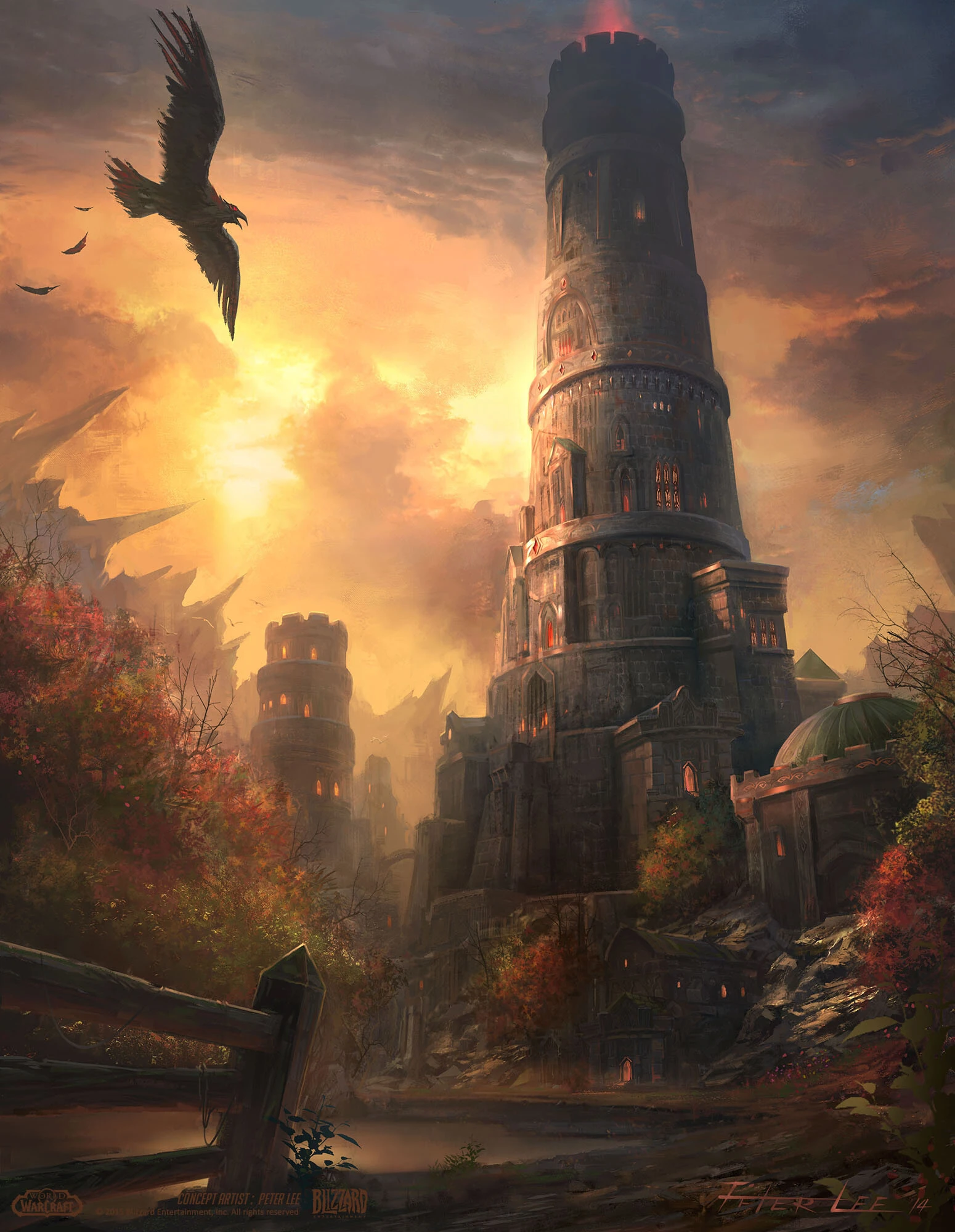
Overview
Tower of Karazhan is one of Turtle WoW's headline raids: a level 60 custom 40-player instance in Deadwind Pass with nine bosses, Tier 3.5 rewards and a progression model built around unlocking the back half instead of blitzing the whole place from day one. It arrived in Patch 1.17.2 and was pitched as content tougher than Naxxramas, which tells you straight away what sort of night this is meant to be.
This is not the raid you drag a half-ready roster into because enough people happened to be online. Tower rewards guilds that prepare, assign jobs clearly, keep attendance stable and treat each reset as progression rather than a one-night speedrun. That identity is what makes the raid feel special, and your page should lean into that.
Best way to frame it: Lower Karazhan Halls proves your group can handle custom content. Tower of Karazhan proves your guild can organise a serious 40-man project over multiple lockouts.
Entry and Progression
Tower of Karazhan has two progression gates. The Upper Karazhan Tower Key gets your raid into the first five bosses. The Scepter of Medivh unlocks the final four bosses and turns the raid from "we can start learning it" into "we can actually push the full place." That split is one of the biggest reasons the raid feels weighty compared with more straightforward vanilla raid access.
| Stage | Requirement | What it unlocks |
|---|---|---|
| Step 1 | Upper Karazhan Tower Key | Entry plus the first five bosses of the raid. |
| Step 2 | Scepter of Medivh | Access to the final four bosses and the full clear path. |
That means early progression usually looks like this: get enough of the roster keyed, settle the first half, build confidence, then turn the second attunement into the next guild objective. On a live site this is the sort of thing people actually want to know, because it tells them whether they are looking at a one-night pickup target or a proper long-haul raid.
Common mistake: players see "Karazhan" and mentally compare it to lower-size content. Tower is a 40-man progression raid. Treat it like top-end guild content from the start and your page will feel much more honest.
Recommended Raid Setup
You do not need to hard-lock one perfect composition, but you absolutely want a disciplined one. Tower is long enough and demanding enough that stability matters more than greed. A clean first-clear roster usually looks better than a stacked roster with shaky attendance or too many players learning assignments at the same time.
What matters most is role clarity. Decide who calls tank swaps if needed, who anchors healer groups, who handles utility jobs, who marks the route, and who speaks when a wipe is being recovered instead of everyone talking over each other. Tower punishes confusion just as hard as it punishes low output.
What to bring on first clears
Bring the same mindset you would bring to a long progression night: full consumables, enough reagents for wipes, repaired gear, spare bag space, and the expectation that the later bosses may take longer than the first half. Even when a boss is mechanically understood, late-raid fatigue and sloppy pulls can turn a solid reset into a mess.
Boss Order and Progression Feel
The known boss order is fixed and worth showing clearly because the raid's identity comes from the journey as much as the finish. The first half establishes the tone, while the scepter-gated half is where guild discipline gets tested properly.
Why Tower Feels Hard
The raid is hard for a few different reasons, and spelling them out makes the page much more useful than just writing "harder than Naxx" and moving on. First, it is a true 40-man raid, so every attendance problem is magnified. Second, the two-stage access model means progression is naturally stretched across more than one guild milestone. Third, custom encounters punish autopilot because players cannot rely on years of vanilla muscle memory.
In practice, the usual wipe points are not only boss mechanics. They are also shaky attendance, slow recovery between pulls, officers changing assignments mid-fight, healer comms getting noisy, and the raid losing shape once the scepter-gated half begins. That is why Tower feels like a guild project instead of a simple weekly farm.
Best tip for first clears: do not judge your first Tower reset only by boss count. Judge it by whether the raid stayed organised longer, recovered faster and looked more controlled than last week.
Rewards and Reasons to Run It
Tower of Karazhan is attractive because it is more than a loot stop. The raid delivers Tier 3.5 progression, a distinct custom identity and a real prestige target for guilds who want something beyond simply repeating the vanilla ladder. That makes it one of the best pages on the site to sell the feeling of long-term endgame progression rather than just a checklist of bosses.
| Why groups run it | What players get out of it | Value to your guild |
|---|---|---|
| Tier 3.5 | Strong upgrade target and a clear reason to keep pushing later bosses. | Gives raiders a visible progression goal beyond vanilla raid farming. |
| Prestige clear | A server-recognisable achievement for organised guilds. | Builds identity and helps retention for players who want harder content. |
| Custom raid feel | Something genuinely different from standard Classic routes. | Keeps endgame nights fresh instead of feeling like recycled farm content. |
Where it fits in progression
Use this page to frame Tower as a destination raid for guilds that already enjoy organised endgame and want the next serious objective. It sits naturally alongside other major raids, but its gated progression and custom identity make it feel less like "just another clear" and more like a campaign your roster grows into.
First-Clear Checklist
- Make sure key progression is explained clearly before the raid invite goes out.
- Assign tank, healer and utility jobs before the first pull, not after the first wipe.
- Treat the first five bosses as progression pace-setters, not as filler before the "real" raid.
- Keep comms calm once you hit the scepter-gated half and the night starts dragging.
- End the reset with clear next goals so players know whether the guild is farming, pushing keys or preparing later bosses.