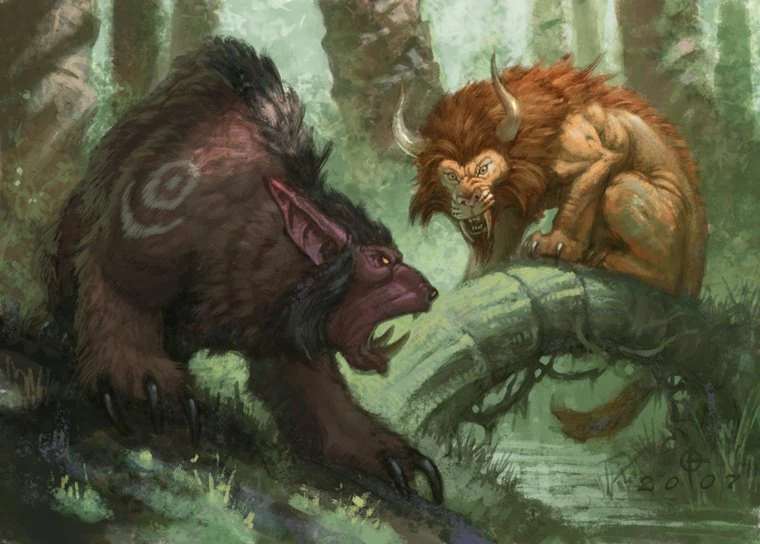
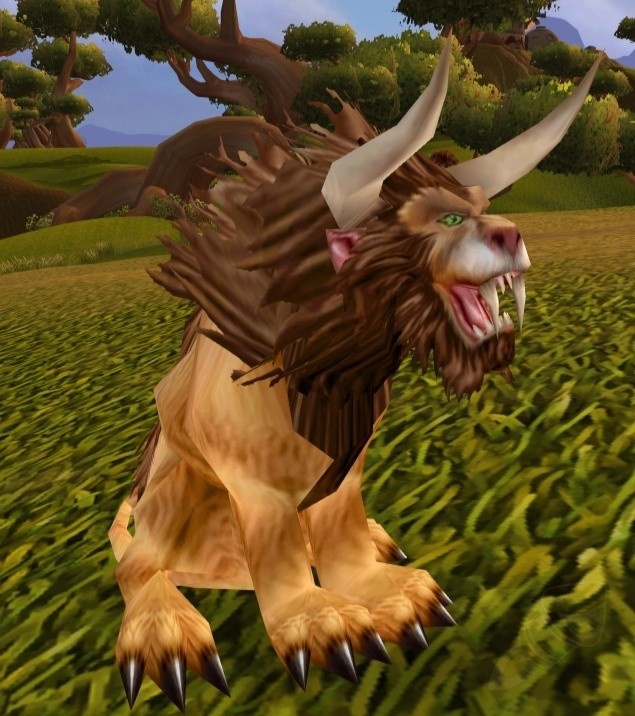
Feral is the easiest way to understand why Druid is so good. Cat keeps solo pace high, Bear prevents ugly pulls from turning into deaths, and dungeon groups love having a Druid who can tank on demand.
Druid is the class for players who hate being boxed in. On Turtle WoW, Feral levels smoothly, Bear is a legitimate tank, Moonkin has a more convincing rhythm, and Restoration leans harder into proactive mobile healing. If you want one character that can solo well, fill multiple dungeon roles, and stay valuable at 60, Druid is one of the smartest long-term picks on the server.
Druid is one of the few classes that genuinely changes how you experience the game. You are not just choosing a rotation — you are choosing flexibility, role freedom, and the ability to fix awkward group problems without rerolling or begging for a respec every few days.
Cat gives you speed and strong solo pacing, while Bear lets you stabilise bad pulls and tank dungeons without feeling like a fake tank.
Form shifting feels cleaner, Feral gearing feels less miserable, and Balance plus Restoration both have more convincing reasons to exist.
You can land at 60 with a character that can tank, heal, or deal damage instead of feeling hard-locked into one lane forever.
If you like solving problems on the fly, Druid feels incredible. You can quest efficiently, step into dungeons as a tank or healer when groups need it, and still build toward multiple useful level 60 roles. That is a huge quality-of-life advantage on a private server where group needs can swing quickly.
The trade-off is that Druid rewards awareness more than tunnel vision. Players who want one simple button pattern forever may prefer something narrower. Players who enjoy adapting on the move usually end up loving Druid.
Most Druid mistakes come from trying to do everything at once instead of using the right tool at the right moment.
Druid gets stronger when you know your current job. A clear Feral leveling setup will feel far better than a confused hybrid that is trying to quest, heal, tank, and cast all at once.
Great Druids swap forms proactively. Bad Druids keep clawing in Cat when Bear would stabilise the pull, or panic-heal too late instead of shifting earlier.
Turtle WoW makes Druid feel better than many players remember. Feral gearing is less painful, Bear has more credibility, and Moonkin plus Restoration both feel more justified.
Innervate, off-heals, battle res support, emergency Bear swaps, and travel utility are a huge part of why Druid feels so valuable in real groups.
Most players should begin with Feral, but the bigger point is that Turtle WoW gives every Druid path a clearer identity than old-school vanilla did.
Feral is the easiest way to understand why Druid is so good. Cat keeps solo pace high, Bear prevents ugly pulls from turning into deaths, and dungeon groups love having a Druid who can tank on demand.
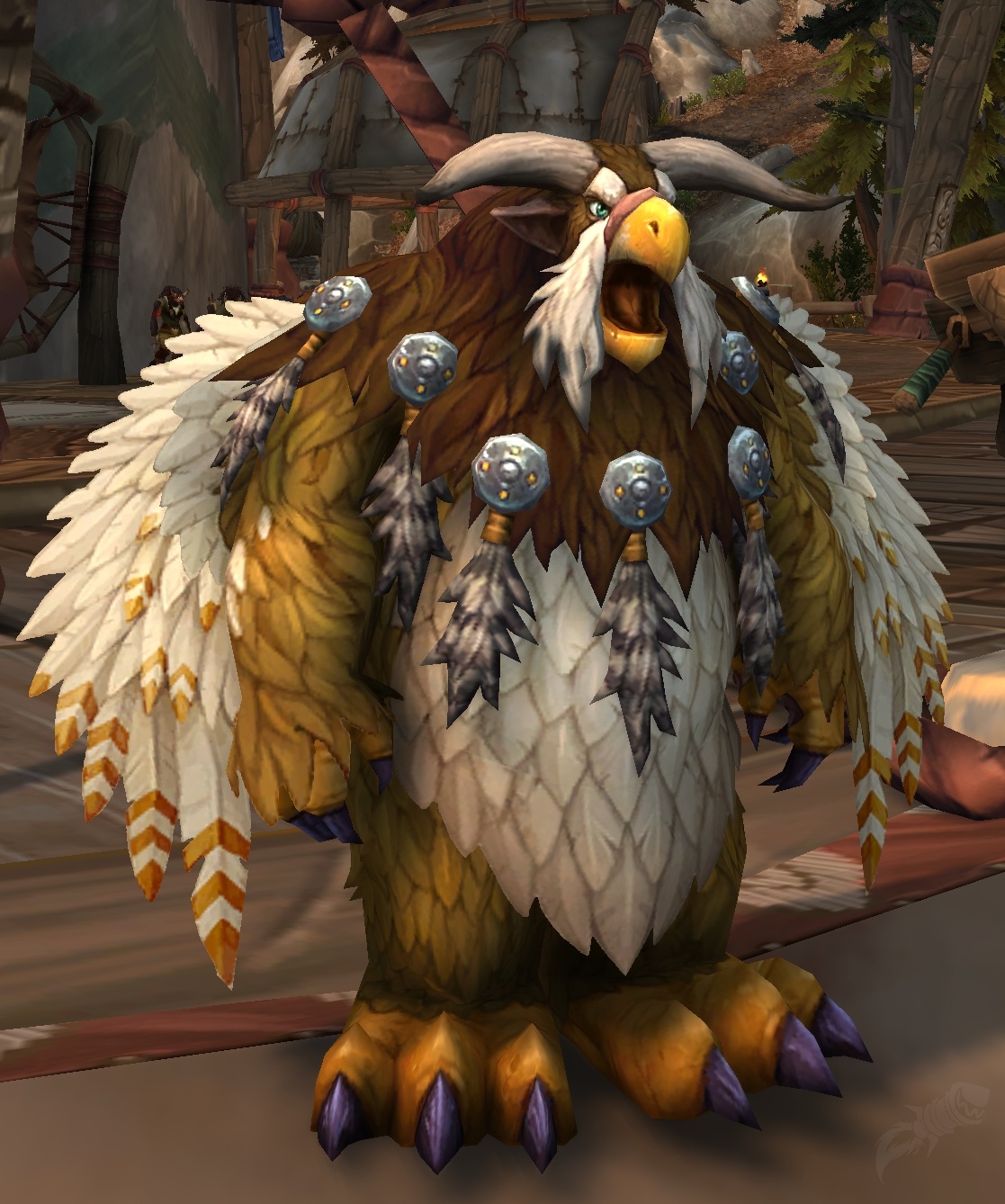
Moonkin feels more like a real spec here instead of a nostalgic side project. The server gives Balance a better rhythm, so it can function as an actual ranged Druid lane rather than just support fluff.
Restoration suits players who like proactive healing more than panic healing. You lean into HoTs, movement, and support timing rather than trying to imitate a stationary hard-cast healer.
These are practical guide-page builds: one for smooth Feral leveling, one for Bear-focused tanking, one for Moonkin, and one for Restoration. Treat them as strong starting points, then fine-tune around the role you actually play most.
Feral is the best first leveling route because it gives you the most complete Druid experience. You move quickly, kill efficiently, recover bad pulls better than most leather classes, and get easy dungeon access by tanking when needed.
Cat is where the class starts to feel truly smooth. Your pace increases, downtime falls, and solo questing stops feeling like you are fighting the class itself.
Druid leveling becomes dramatically safer when you treat Bear as part of the route, not as a backup form you only touch in panic.
Even with Turtle WoW improvements, stale gear still makes Feral feel flatter. Keep your weapon and core leather pieces moving.
You are one of the easiest classes to squeeze into groups with. If the tank is missing, Bear can fix the problem. If healing is desperate, you can pivot later with far less pain than most classes.
Pick a main job while leveling. Build your off-role pieces gradually instead of sabotaging your main performance to be "kind of ready" for everything.
Simple answer: if you are unsure what to play as Druid, level Feral. It is the smoothest path, the easiest dungeon ticket, and the build that teaches you the class without punishing every mistake.
Druid is less about one universal rotation and more about knowing the right priority for the form or role you are in. The class feels best when you stop asking for one script and start thinking in role-specific priorities.
The strongest Druid players are not just picking the right spec. They are making faster, cleaner decisions about when to change jobs during a pull.
Cat is your momentum form. It is where Druid feels fast, efficient, and low-downtime while solo. Stay here when the pull is under control and you can keep tempo high.
Bear is your answer to chaos. Multiple mobs, healer trouble, bad patrol timing, or dungeon leadership all push Bear up in value immediately.
Healing, support tools, buffing, and fight recovery often require stepping out cleanly instead of stubbornly staying in form for one extra global.
Best habit to build early: stop thinking of form changes as interruptions. On Druid, form changes are often the correct play, not the thing you do after the correct play failed.
Druid is valuable at 60 because it can cover several useful jobs, not because it dominates one narrow niche in every situation.
Bear has real tank utility in dungeons and specific encounter contexts, while Cat gives you a DPS route if you like staying in the Feral family. The key strength is flexibility: one character can solve multiple problems.
If you want the safest long-term raid and dungeon fit, Restoration is usually the simplest answer. HoT-driven support, mobility, and broad utility age well.
Moonkin still asks for good gear and mana discipline, but it no longer feels like a meme pick by default. It is a genuine ranged Druid option now.
You may not always be the most one-dimensional top-end answer, but you are often the most useful player to have around when groups need flexibility, clutch utility, or a clean role swap.
Druid gearing becomes much easier once you stop pretending one set covers everything equally well. Gear the role you actually play most, then branch out from there.
Common mistake: building four half-good gear sets at once. Pick your main role first, then add off-role gear gradually so your main build does not end up permanently mediocre.
Druid race choice is simpler than many classes because your options are narrower. The real decision is not quantity — it is what style of play you value more.
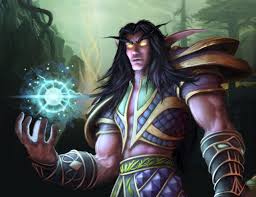
Night Elf suits players who like open-world comfort, stealth flavour, and a more slippery overall feel. It is a natural fit if you enjoy world PvP, solo questing atmosphere, and a class identity that feels agile and elusive.
Tauren is excellent if you like the idea of a heavier, more stabilising Druid. It fits Bear tanking and support-heavy play particularly well, and the race has a naturally sturdy feel for group content.
Druid gets value from a few different profession lanes depending on whether you care most about easy leveling, long-term utility, or PvP tools.
The cleanest all-round pairing. It matches Druid mobility well, supports leveling comfortably, and stays useful no matter which endgame lane you eventually prefer.
A very natural road if you want steady self-supplied leather support while leveling. It is not always the final best-in-slot profession combo, but it is easy to live with early.
Engineering is worth serious thought if you enjoy PvP, control tools, or squeezing more utility out of a flexible class. Druid is already tricky; gadgets only add to that advantage.
Do not forget Survival: even if it is not your primary economic profession, Turtle WoW players get a lot of value from tents and broader support utility. Druid is one of the classes that appreciates that ecosystem more than most.
You do not need a giant macro library, but a few smart ones make Druid form play much smoother.
#showtooltip Cat Form /cancelform [stance:3] /cast Cat Form
#showtooltip Rejuvenation /cast [@mouseover,help,nodead][] Rejuvenation
#showtooltip Innervate /cast [@mouseover,help,nodead][@player] Innervate
#showtooltip Nature's Swiftness /cast Nature's Swiftness /cast [@mouseover,help,nodead][@player] Healing Touch
Yes, if you like flexibility. It is easier to recover mistakes on Druid than on many melee classes, but it also asks you to think about forms and roles more actively.
Feral is still the best first answer for most players because it keeps solo pacing high and opens dungeon tanking with relatively little friction.
Absolutely. Turtle WoW makes Bear far more respectable than old stereotypes suggest. It is one of the main reasons Druid feels so valuable in five-man content.
No. It still asks for gear and mana awareness, but it is much more believable as a real spec path here than many players expect from vanilla memories.
Restoration is usually the safest universal answer, but one of Druid's strengths is that you are not trapped there if Bear or Moonkin appeal to you more.
Trying to be every role equally from the start. Pick a main job, usually Feral, then grow your off-role gear and talents around that instead of sabotaging your own pace.
The Druid guide covers the class itself. These pages help you turn that knowledge into faster progress on the server.