The short recommendation
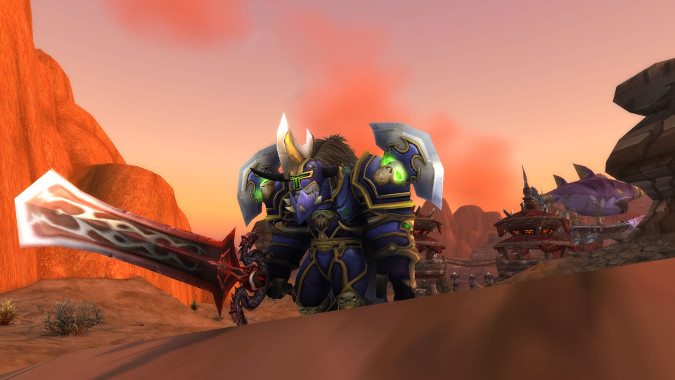
Level as Arms with the best slow two-handed weapon you can obtain. Carry a one-hander and shield so you can tank ordinary leveling dungeons without levelling as Protection. At 60, choose your build around the job you actually have: Fury for sustained raid damage, Protection for main-tank responsibility, or Arms for PvP and two-handed play.
Why Warrior feels different in Classic
Warrior strength is earned rather than granted. Damage produces rage, rage produces control and damage, and a better weapon improves the whole loop. A well-equipped Warrior with clean pulls feels explosive; an under-equipped Warrior fighting several enemies above their level feels miserable.
The upside is enormous role value. You can tank every leveling dungeon in a damage-oriented build, provide strong physical damage at level 60, and become one of the most dangerous PvP classes when supported. The cost is preparation: weapon skills, food, bandages, stance quests and a shield set all matter.
Leveling plan: 1–60
Levels 1–19: build the foundations
- Train every weapon type you may realistically use and keep its skill current.
- Upgrade your weapon for damage, not merely for Strength on the tooltip.
- Complete the level-10 Warrior chain for Defensive Stance and Taunt.
- Use a ranged weapon to split pulls and avoid walking into camps.
- Keep First Aid current. Bandaging between pulls saves more time than squeezing out one extra damage stat.
Levels 20–39: Arms starts to come together
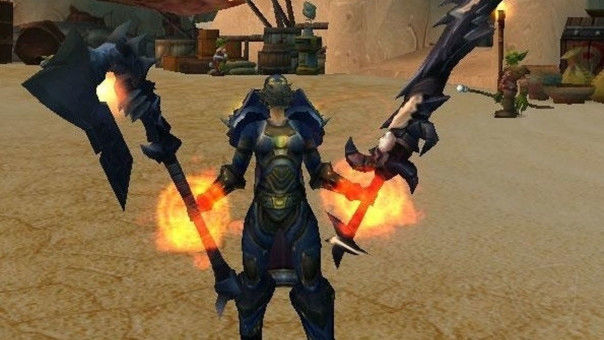
Sweeping Strikes changes two-target combat, while Tactical Mastery makes stance changes less punishing. Complete the level-30 Berserker Stance chain and the Whirlwind weapon chain when you can assemble help. Do not force the class quest while under-levelled just because the quest log says it is available.
Levels 40–60: Mortal Strike and purposeful grinding
Mortal Strike gives Arms a reliable centrepiece. Fight enemies at or slightly below your level, use dungeon quests to target weapon upgrades, and avoid routes built around repeated orange-level enemies. Warrior efficiency comes from keeping the rage-and-kill chain moving, not from proving you can win the hardest possible pull.
Talent direction without a fake universal build
Arms milestone path
Prioritise Tactical Mastery, Improved Overpower, Deep Wounds and Impale, then build toward Sweeping Strikes and Mortal Strike. Choose the weapon specialisation that matches the strong weapons you actually own; do not cling to Axe Specialization while using a dramatically better sword.
Fury foundation
A common raid direction invests deeply enough in Arms for Impale and then takes the Fury tools that support Flurry, Bloodthirst and sustained dual-wield damage. Your raid’s debuff policy, available weapons and world-buff expectations affect the exact template.
Protection foundation
Deep Protection becomes relevant when you are accepting consistent raid-tank responsibility. Tactical control, threat generation and encounter knowledge matter more than copying a build without understanding why each point is present.
You can tank leveling dungeons without levelling Protection
For ordinary dungeons, your preparation and first five seconds matter more than a deep Protection build. Equip level-appropriate armour, carry a shield, enter Defensive Stance, mark a kill target and start the pull with enough rage to establish control.
- Pull deliberately. Use a ranged weapon or line-of-sight pull when walking forward would collect another pack.
- Establish the pack. Demoralizing Shout helps tag nearby enemies; apply Sunder Armor and Revenge across targets.
- Spend Taunt intelligently. Taunt fixes a target that has left you; it does not create permanent threat when spammed on a target already attacking you.
- Protect the healer. A loose enemy hitting the healer matters more than a loose enemy hitting a durable Rogue for two seconds.
- Use the shield when danger rises. Shield Block, Bash, Disarm and defensive cooldowns prevent wipes; damage meters do not.
Weapons, stats and why the tooltip lies
While leveling
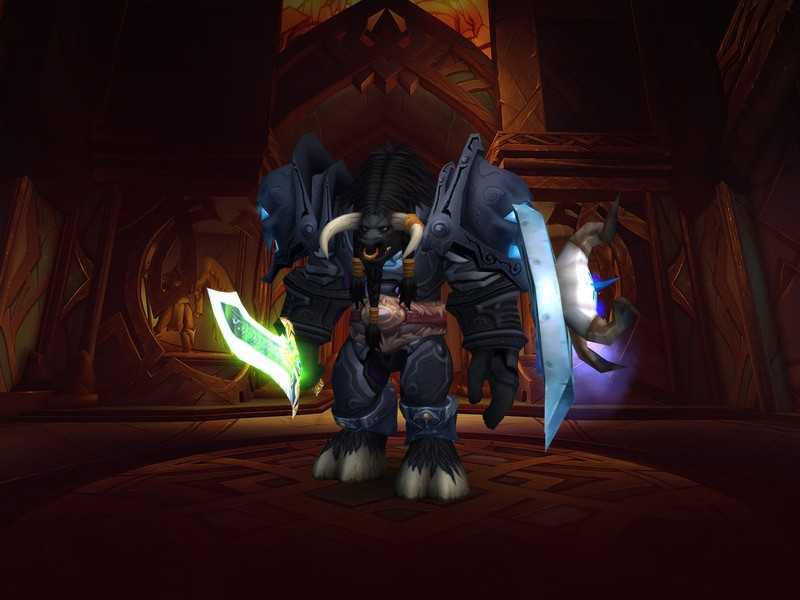
Weapon damage and weapon DPS are your first filter. For Arms abilities that use weapon damage, a slow weapon with a strong top-end hit is usually attractive. Strength adds attack power, Agility adds critical strike and some armour, and Stamina buys room for mistakes—but none of them rescue a badly outdated weapon.
At level 60
Weapon skill becomes a major raid stat. Against a level-63 raid boss, a character at 300 weapon skill commonly needs 9% hit to remove ordinary misses, while 305 weapon skill changes both hit requirements and glancing-blow behaviour. This is why Human sword/mace skill and Orc axe skill can influence endgame weapon choices without making other races unplayable.
| Situation | Priority | Do not overvalue |
|---|---|---|
| Solo leveling | Weapon DPS/top-end, Strength, Agility, Stamina | Small armour gains on a weak weapon |
| Dungeon tanking | Weapon skill, Stamina, armour, reliable shield set | Wearing only “tank” items with no threat |
| Raid damage | Hit to the appropriate cap, weapon skill, crit, attack power | One universal stat list for every race and weapon |
What changes at level 60?
Fury damage
Fast decision-making replaces the slower leveling rhythm. Maintain Battle Shout, generate Flurry uptime, avoid rage capping and understand your raid’s rules for cooldowns, threat and world buffs.
Raid tanking
Threat and mitigation are encounter-specific. Build multiple gear sets instead of searching for one “best tank set”: threat, mitigation, resistance and mixed sets all have jobs.
Arms PvP
Mortal Strike, Hamstring, Overpower, stance control and support from healers define the role. Engineering adds options that cover gaps in Warrior control and mobility.
Race choice for Warrior
Pick the character you will enjoy looking at for hundreds of hours. For optimisation, weapon skill is the large PvE distinction: Humans favour swords and maces; Orcs favour axes. Dwarf Stoneform, Gnome Escape Artist, Undead Will of the Forsaken, Tauren War Stomp, Troll Berserking and Night Elf avoidance all have real situational value.
| Race | Warrior advantage | Best fit |
|---|---|---|
| Human | Sword and mace skill; faster reputation | Alliance raid optimisation |
| Dwarf | Stoneform removes several dangerous effects | Defensive utility and PvP |
| Night Elf | Extra dodge and faster corpse travel | Style, avoidance and convenience |
| Gnome | Escape Artist answers roots and slows | Alliance PvP mobility |
| Orc | Axe skill, Blood Fury and stun resistance | Horde PvE/PvP optimisation |
| Undead | Fear break and Cannibalize | Solo play and PvP |
| Tauren | More health and War Stomp | Tanking feel and group control |
| Troll | Berserking and regeneration | Flexible damage and personal preference |
Professions
Mining + Engineering is the strongest all-purpose recommendation for utility, PvP and useful crafted tools. Herbalism + Alchemy is friendlier for a first character that wants consumables and steady income. Blacksmithing can be rewarding, but it is expensive to level and should be chosen for a specific crafting goal rather than because Warrior wears plate.
Simple macros worth setting up
Start attacking with Sunder Armor
#showtooltip Sunder Armor
/startattack
/cast Sunder Armor
Charge or Intercept by stance
#showtooltip
/cast [stance:1] Charge; [stance:3] Intercept
Test stance and equipment macros on harmless enemies before relying on them in a dungeon. A macro should reduce input friction, not hide whether you understand the stance requirement.
Common Warrior mistakes
- Keeping an old weapon because its secondary stats look better.
- Fighting orange enemies and blaming the class for misses and downtime.
- Spending every point of rage at the end of a dying target instead of carrying momentum into the next pull.
- Refusing to tank without a Protection build—or trying to tank without a shield in the bag.
- Changing weapon type without training the new weapon skill before the dungeon.
- Using Taunt as part of a rotation rather than as a recovery tool.
- Copying a level-60 raid build for a solo leveling journey.